- Santrel Media
- Posts
- eBay Moves to Block Buy-for-Me AI Agents 🛑
eBay Moves to Block Buy-for-Me AI Agents 🛑
Plus: Google upgrades Demand Gen to be shoppable on TV 📺, while TikTok introduces AI features for its Smart+ campaigns 🤖.


Want to start selling online? Get started with Shopify for just $1.
Looks like the agentic era isn’t moving in one direction anymore 👀.

Hi there, and welcome to another issue of The Ecom Press 🗞️!
This week, eBay draws a clear line by locking AI agents out, Google rolls out fresh Demand Gen upgrades that push shoppable video further, and TikTok gives Smart+ a serious AI boost 🚀.
And if building your own store is on the agenda this year, we’ve got a hands-on WooCommerce workshop for you 🛒.
Alright, let’s get into it, shall we ☕?
In a rush? Here's the juice🤭:
🛑 eBay moves to block Buy-for-Me AI agents.
📺 Google upgrades Demand Gen to be shoppable on TV.
🤖 TikTok introduces AI features for its Smart+ campaigns.
🛠️ Workshop: How to build your WooCommerce store.
⚡️Worthy Mentions

Source: ChatGPT Image Generator
eBay is moving to block third-party “buy-for-me” AI agents from autonomously purchasing on its platform, tightening its User Agreement ahead of a Feb. 20 effective date for many users.
Here’s the lowdown ⬇️:
🤖 A direct ban on autonomous checkout flows: eBay’s updated terms prohibit automated tools that attempt to place orders without human review, explicitly naming buy-for-me agents and LLM-driven bots. This goes beyond older “no scrapers/robots” language by calling out agentic shopping specifically.
🔐 Permissioned access is still on: The rule doesn’t ban AI across the board. eBay says automated systems can interact with the platform if they get prior approval, framing this as a governance and safety move rather than an anti-AI stance.
⚠️ Why eBay’s cautious: Agent-led purchasing can create messy edge cases: bidding that feels “unfair” in auctions, accidental purchases from vague prompts, and more disputes when expectations don’t match item condition or listing details. It also raises abuse risk that’s harder to spot because agents behave more like humans in-browser.
🧠 eBay still wants AI where it helps: eBay has been investing in AI tools, including seller messaging assistance, so the company is drawing a line between AI that supports workflows and AI that executes transactions without oversight.
Why it matters 🤔
Agentic commerce won’t scale smoothly without rules of engagement. This means you can expect more platforms to require authentication, permissioning, and enforceable usage limits before they allow bots anywhere near checkout. In the end, being “recommended by an agent” is nice, but getting reliably transacted will depend on whether platforms can trace, govern, and measure that activity end-to-end.

Source: Google
Google is expanding Demand Gen’s role as a performance channel by making video ads more shoppable and easier to measure across YouTube and Google surfaces.
Here’s the scoop 🍨:
📺 Shoppable CTV is now live: Demand Gen can now power shoppable ads on connected TVs, letting viewers browse and buy products directly from YouTube ads on the big screen. Google says adding TV screens to Demand Gen drives 7% incremental conversions while keeping ROI steady.
🔎 Brand impact gets clearer: Demand Gen now supports Attributed Branded Searches, showing how often your campaigns drive branded searches across Google and YouTube. This helps capture demand you influence even when the conversion happens later. Activation requires a Google rep.
🏨 Travel ads get more dynamic: With Travel Feeds, advertisers can connect Hotel Center feeds and automatically generate video ads that reflect real-time pricing, ratings, and availability, turning “just browsing” into quicker bookings.
📈 Google is making a budget play: Google is also spotlighting results, like LG Electronics seeing a 24% higher conversion rate versus paid social and reaching high-value customers at a 91% lower CPA, to reinforce Demand Gen as a serious alternative to social performance spend.
Why it matters 🤨
CTV has traditionally been hard to tie to sales, and upper-funnel spend is often the first to get cut when results are unclear. Shoppable CTV and branded-search attribution seem to tighten that loop. If the measurement holds up, Demand Gen becomes less of a test budget and more of a repeatable growth lever.
🤑 Sponsored tip of the week

🚀 Explore the Power of the Shopify Theme Store
A great store starts with a great first impression — and Shopify’s Theme Store gives you just that. With 100+ professional, mobile-optimized themes, you can easily craft a storefront that feels just right for your brand, no code required.
Get started for just $1 and pick your perfect theme today.
Source: Tiktok
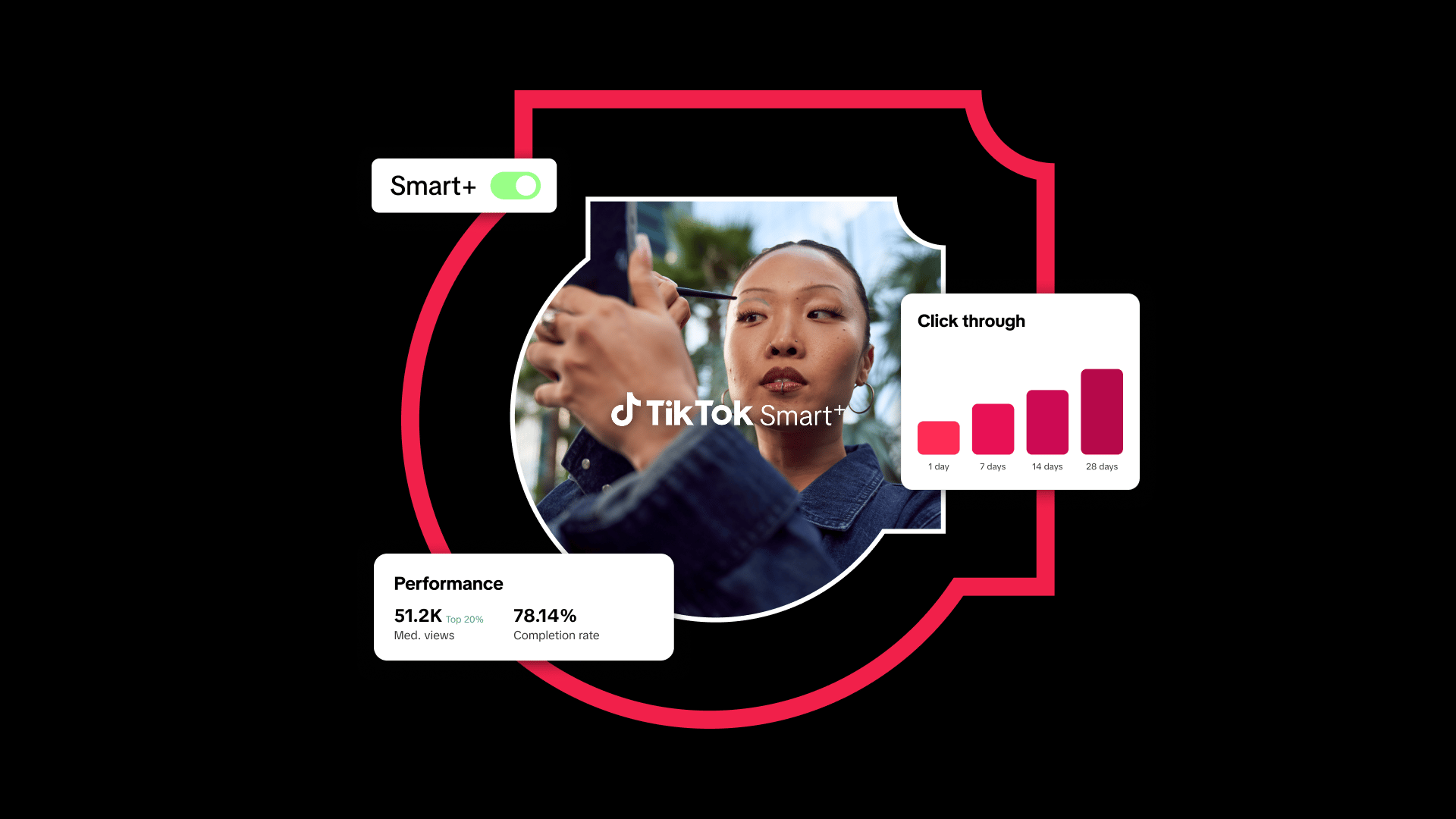
TikTok just expanded Smart+, its automation suite for performance campaigns, with new creative selection tools, preview controls, and workflow upgrades. It aims for less manual setup, more consistent optimization, and faster iteration, especially for commerce and app advertisers. See demo here.
Here are the deets ⬇️:
🤖 Automation you can still steer: Smart+ automates targeting expansion, bidding, placements, and creative delivery, but lets you set guardrails like location, age, and language, plus custom audiences or manual targeting when you need it.
🧩 Creative for Smart+ gets smarter: A new “Creative for Smart+” layer brings automation to asset selection and scaling. The headline feature is Auto-select creative (live for Smart+ App campaigns), which scans your existing ads and eligible creator content and recommends creatives aligned to your goals. The creator content is pre-approved, and it handles creator payments and logistics.
👀 Preview every combo before it runs: Smart+ now lets advertisers preview all possible creative combinations inside TikTok Ads Manager, making approvals easier and reducing “surprise” variations going live.
🛠️ Efficiency tools: Smart+ adds practical operations features like duplication, draft mode, automated rules, and bulk editing, so teams can scale without rebuilding workflows.
🛍️ Built for commerce objectives: For sellers with a product catalog, Smart+ Catalog Ads turns catalogs into automated shoppable ads for web or app. TikTok claims closed beta tests delivered a 36% lower CPA versus manual campaigns.
Why it matters 🤷♂️
TikTok is pushing automation deeper into the parts that usually slow performance down: creative churn, approvals, and day-to-day campaign ops. But then “creative management” is starting to look like a systems problem, not a designer problem. If Smart+ can reliably pick and refresh assets at scale, you want to keep clean catalogs, strong creator pipelines, and tight guardrails.
🛎️ The Ecom Press Insider

Source: ChatGPT Image Generator
Ecom Fact: More than half of all Instagram ads ran on Reels, up sharply from 35% in 2024. At the same time, Reels captured 46% of total time spent on the app in the U.S., up from 37% a year earlier, according to Sensor Tower data reported by CNBC.
💡 Takeaway: Reels is practically now a main feed. If your ads still feel like cropped static posts or repurposed Stories, they’ll struggle. Treat Reels as its own channel. Use fast hooks, native pacing, creator-style visuals, and messaging that earns attention in the first two seconds.
🛠️ Workshop: How to build your WooCommerce store.
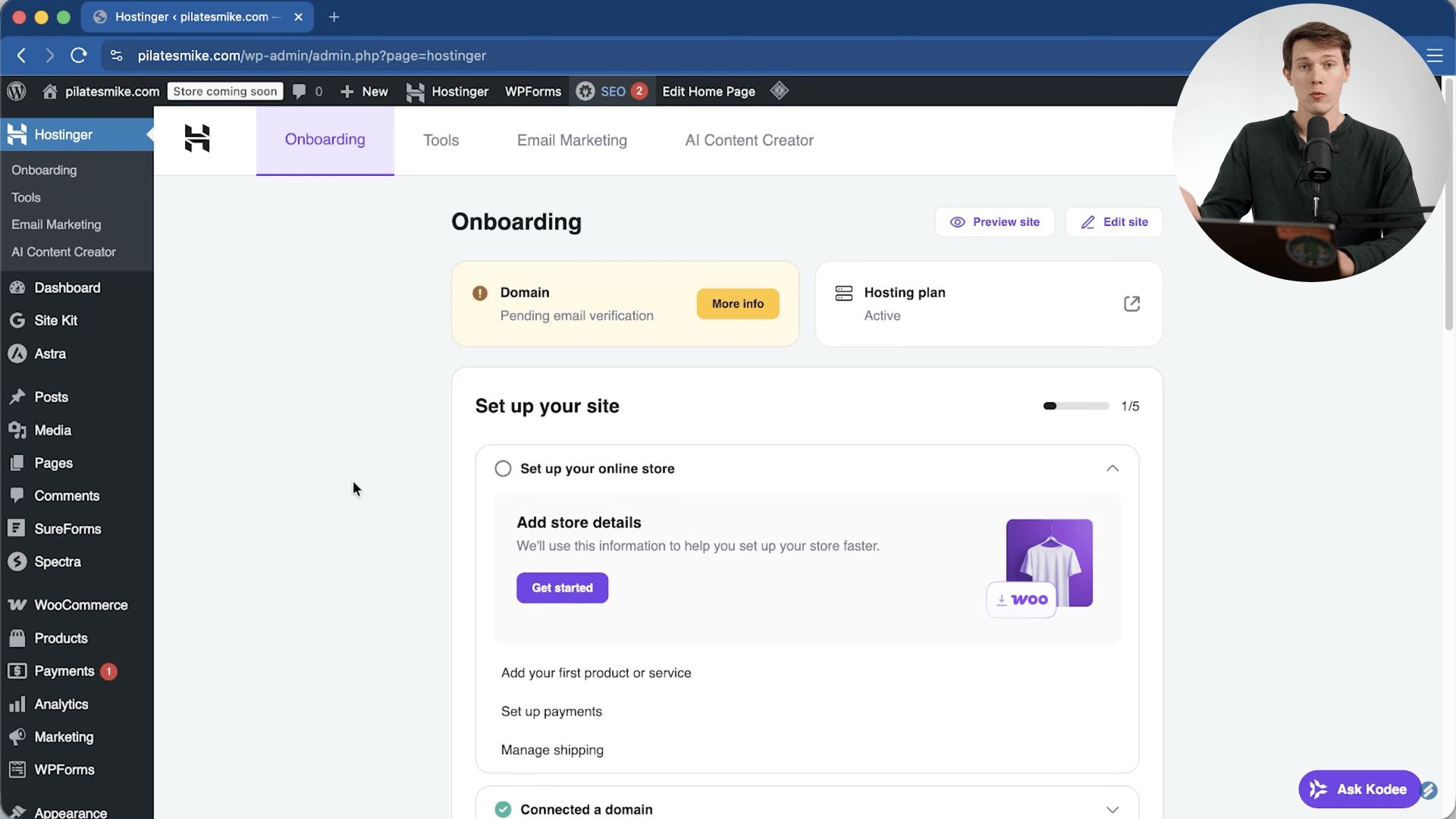
This week, we rolled up our sleeves to walk you through how to build a fully working WooCommerce store from scratch. If you’ve been putting this off because it sounds “too technical,” this one’s for you.
Here’s the high-level playbook 👇:
🌐 Set up hosting and your domain: We start by choosing a WooCommerce-friendly host and locking in a domain. This sets the foundation for speed, reliability, and long-term scalability.
🧱 Install WordPress and WooCommerce: Once hosting is live, WordPress and WooCommerce do the heavy lifting. Themes and templates get you a store layout fast, without starting from a blank page.
🛒 Add products the right way: From simple products to variable ones like sizes and colors, WooCommerce handles it all. You’ll set pricing, inventory, images, descriptions, and even upsells in one place.
🚚 Configure shipping and payments: Flat-rate shipping, local pickup, and multiple payment options like cards, Apple Pay, and buy-now-pay-later are set up to keep checkout friction low.
🎨 Design with drag-and-drop tools: Using a visual builder like Elementor makes editing pages simple. You can tweak layouts, images, and copy without touching code.
🏷️ Add coupons and prep for marketing: Discounts, promo codes, and automated emails help get your store ready to sell and promote right out of the gate.
That’s a wrap 🎯. By the end of the tutorial, you’ve got a live, functional WooCommerce store that’s ready to sell physical products, digital goods, or services.
👉 Watch the full step-by-step tutorial on YouTube to follow along click by click and build yours the right way.
⚡️Worthy Mentions
Wrapping up…
This week made one thing obvious: agentic commerce isn’t a straight road.
Some platforms are opening the gates and building fast, while others are slowing things down to protect control, data, and revenue. The tension between access and ownership is becoming impossible to ignore.
Where this lands next is still unfolding, but we’ll be right here tracking every move 🧭.
Stay subscribed, stay curious, and we’ll catch you in the next issue ✌️📬.